Understanding Local Water Conservation Techniques
Water conservation is becoming increasingly essential as communities face challenges associated with water scarcity. This article explores various techniques that can be employed at the local level to effectively conserve water, providing practical insights and evidence-based recommendations.
Understanding the Basics of Water Conservation
Water conservation refers to the practice of using water efficiently to reduce unnecessary water usage. According to the Water Research Foundation, effective water-saving practices can lead to reductions of up to 30% in water usage in residential areas. This is particularly relevant in regions like Canada, where varying climates can affect water availability.
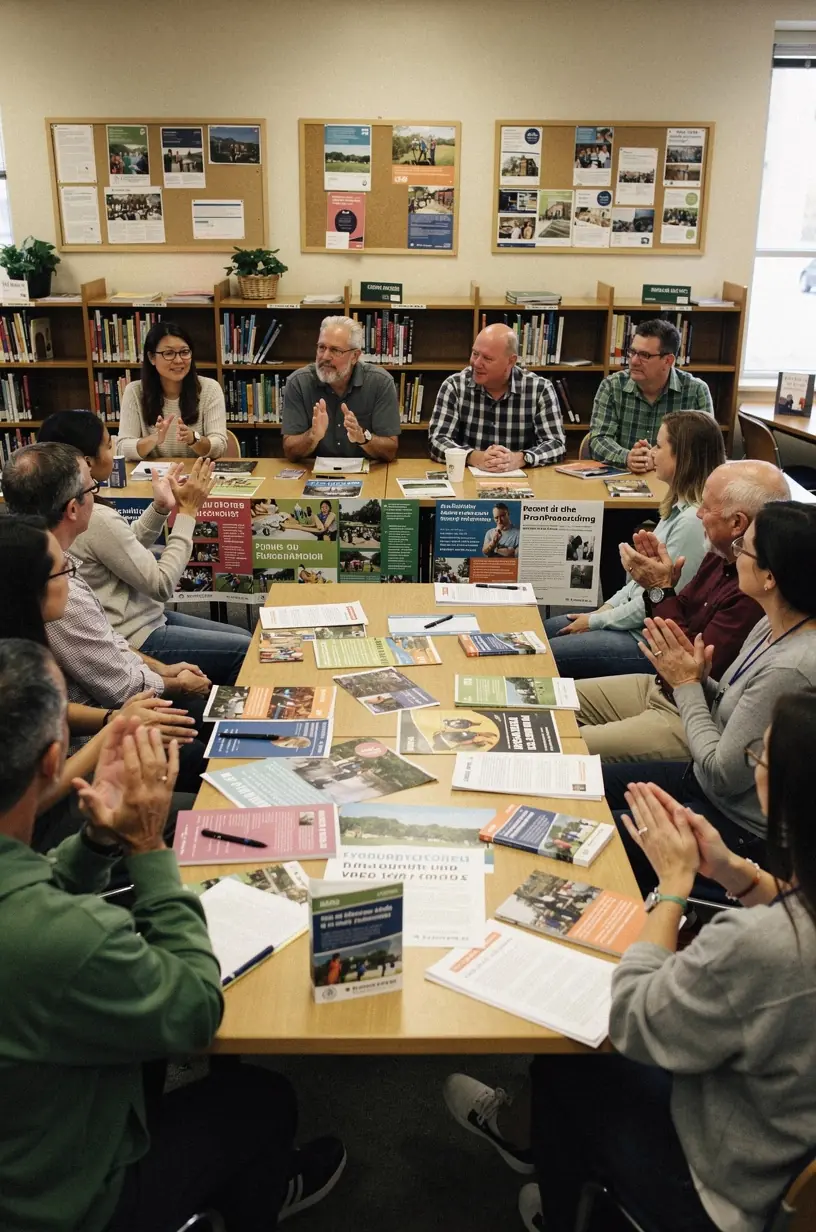
"Many experts recommend local water conservation as an essential strategy for ensuring sustainable water use in communities across Canada."
Key Techniques for Effective Water Conservation
Implementing water conservation techniques often requires community involvement and education. Below are some practical strategies that can be adopted:
- Rainwater Harvesting: This technique involves collecting and storing rainwater for future use. Research indicates that communities implementing rainwater harvesting can significantly reduce their dependency on municipal water sources.
- Smart Irrigation Systems: Utilizing automated irrigation systems can ensure that water is used efficiently. These systems adjust watering schedules based on weather conditions, which experts recommend as a best practice, helping to save water and reduce costs.
- Water-Efficient Landscaping: Opting for drought-resistant plants and xeriscaping techniques can minimize the need for watering, especially during dry seasons. Studies show that this approach can decrease outdoor water use by over 50%.
Challenges and Limitations
While the above techniques can be effective, it’s important to acknowledge that they may require time, effort, and sometimes financial investment:
- Implementing rainwater harvesting typically takes several weeks to set up and may require compliance with local regulations.
- Smart irrigation systems can involve an initial financial commitment, but they may lead to savings over time.
- Transitioning to water-efficient landscaping involves a learning curve and might not yield immediate results.
Conclusion
Water conservation at the local level is not only practical but necessary for sustaining our water resources. By employing techniques such as rainwater harvesting, smart irrigation, and water-efficient landscaping, communities can significantly reduce their water usage. Implementing these strategies may take time and commitment, but the long-term benefits—both environmentally and economically—are substantial. Remember, every drop counts.